


From midnight Oreo runs to durian in the mountains, Hamza Awaisi’s YES Abroad year in Indonesia was a journey from comfort food to cultural connection. In this reflection, he shares how unfamiliar flavors became lasting friendships — and why opening our doors (and our palates) still matters.
It was midnight in my Indonesian host family’s house, and I was dangling from the balcony — not because I was running away, but because I was on a mission for Oreos.
My 2012–13 YES Abroad year had already been full of new sights, sounds, and smells, but nothing comforted me like that small, blue package. A convenience stand down the street stayed open late, and while nearly everything inside was foreign to me, those Oreos were a little bite of home that helped me last one more day in this strange new world.
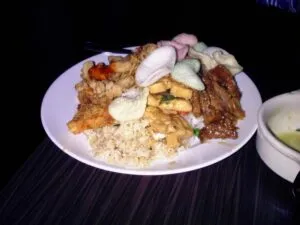
At first, food in Indonesia was… a challenge. My earliest food memory was wandering through a massive street festival in Bandung; a sensory overload of sizzling stalls, mystery skewers, and deep-fried livers, guts, and stomachs from animals I couldn’t even name. My liaison handed me a plate that I stared at more than I ate.
But slowly, things changed.
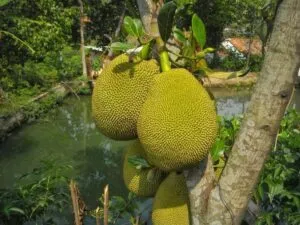
I cooked pancakes for my host family with maple syrup I’d brought from my hometown in Western Massachusetts. I visited my host family’s farm high in the mountains, where goats, chickens, and rice paddies were just part of daily life — and where you could pluck fruit like durian and mangoes straight from the tree.
By the end of my year, I wasn’t sneaking out for Oreos anymore. I was stocking my suitcase with Indomie noodles, Kopi Luwak (yes, the “cat poop coffee”), and kropok crackers to share with my American family. I had arrived in Indonesia clinging to familiar tastes, and left wanting to share the unfamiliar ones with everyone I loved.
That’s the beauty of cultural exchange: it’s a constant loop of sharing, understanding, and remembering. I still talk with my second host family. We still laugh about the Oreos and the fish for breakfast and trade new recipes.
The world certainly feels uncertain right now. It’s tempting to pull back, to keep our doors – and our hearts – closed. But what I learned from food and from exchange, is that genuine connection through all our senses is worth more than feeling like everything is safe and familiar.
That’s why saying YES still matters. Because we cannot remember who we are by saying no.
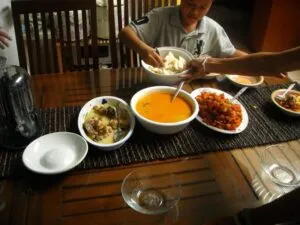
So I encourage all of us to set another place at the table. You never know what you’ll taste next!
If Hamza’s story inspires you, consider hosting a Kennedy-Lugar YES student or encouraging a young person to apply to study abroad. Saying YES could open the door to a world of connection, flavor, and friendship.