


Joanne Yokoyama-Martin is an AFS-USA volunteer in the Columbia Pacific Area Team who facilitated one of the pilot Domestic Programs, Lewis and Clark: Then and Now, during the summer of 2026. Hosted in the Pacific Northwest, this program provided the opportunity for high school participants from the U.S. to examine history and community through a variety of perspectives. Excursions, tours, and cultural events throughout the region set the foundation for a unique week of exploration, creating space for participants to build essential skills like critical thinking, curiosity, and communication.
What is the Lewis and Clark: Then and Now program, and what were its primary objectives?
The primary objective was thinking about what the best way would be to highlight the history (past and present) in our team, and to highlight the different voices impacted by that history. We looked at: whose stories are told? How do historical narratives shape identity and power? And how does the past influence present-day environmental, cultural and social realities?
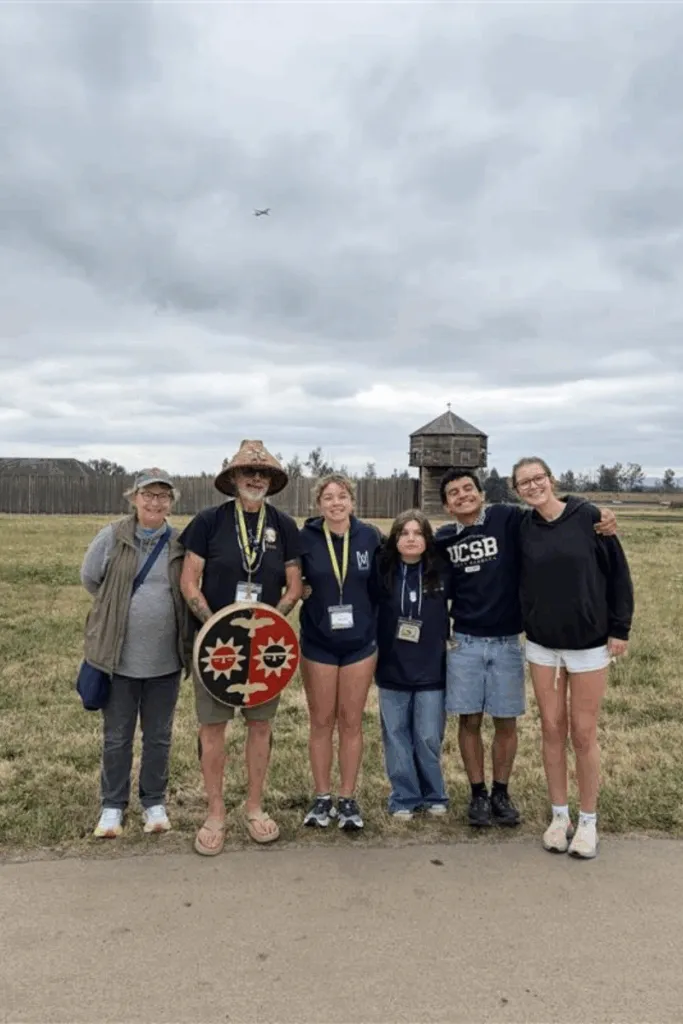
Looking back, what were some of the biggest highlights or breakthrough moments of the program (for yourself, your team, the host families, and the participants)?
The highlight for me was seeing the amazing experiences the volunteers put together for each day. And being able to participate on some of the program days, how much I learned about the area that I live…hearing the different stories and sometimes conflicting perspectives of our history. It also reinforced for me my belief that the positive impact of a program or experience, is not dependent on length of program. Intercultural learning, those “ah ha” moments, can happen in relatively short time…and the relationship between participant and host family can be life changing even if it is for only a week…or a couple of days.
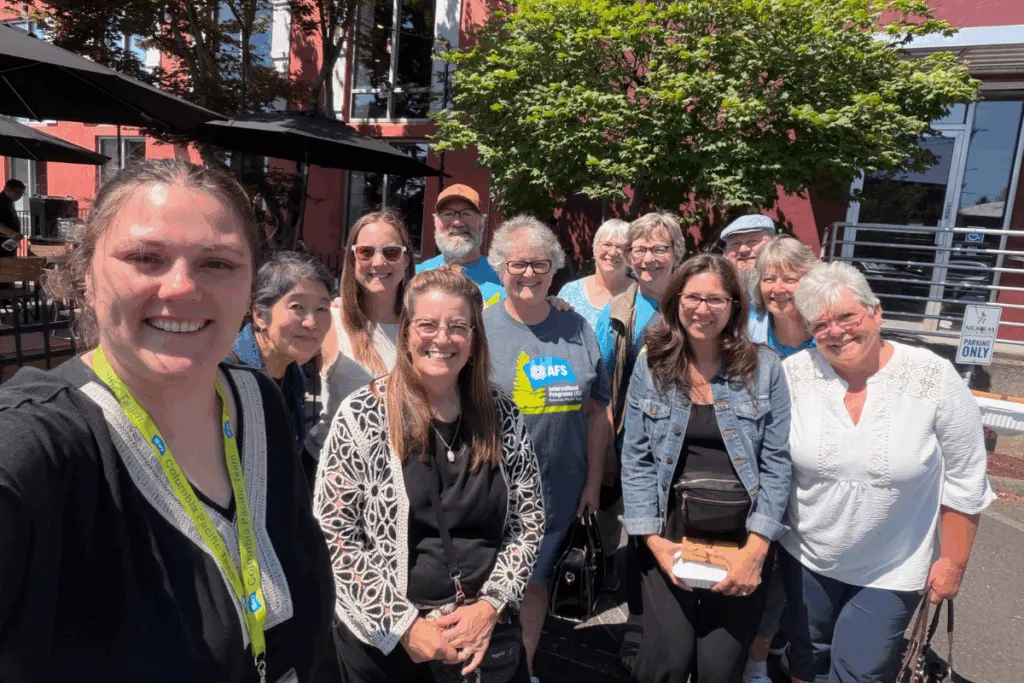
In what ways do you feel the Columbia Pacific (ColPac) team grew or learned from taking on a project of this scale?
From my perspective, I saw our team reach out to groups, individuals and organizations in our community that we would normally not reach out to. I think that it is so easy to get used to a pattern of how we do things. This program enabled our team to connect and share the AFS mission and program experience to a wider audience and also provide different pathways for an AFS experience, not just for U.S participants and host families, but also for volunteers.
I also think that it was a fun program to be involved in. The volunteers were engaged, excited, and thought that the program participants were amazing young people. And we all learned a lot about the communities that we live, the importance of hearing voices from different perspectives, and I think a greater appreciation for the volunteers in our team and the AFS program.
How did it feel to share your community and its cultures with young people from other parts of the U.S?
It was surprising and at the same time, not surprising, how little the participants knew about our area of the U.S. And what they knew or heard about Portland for example, wasn’t always that accurate. And I also recognize that I along with the volunteers were learning alongside them.
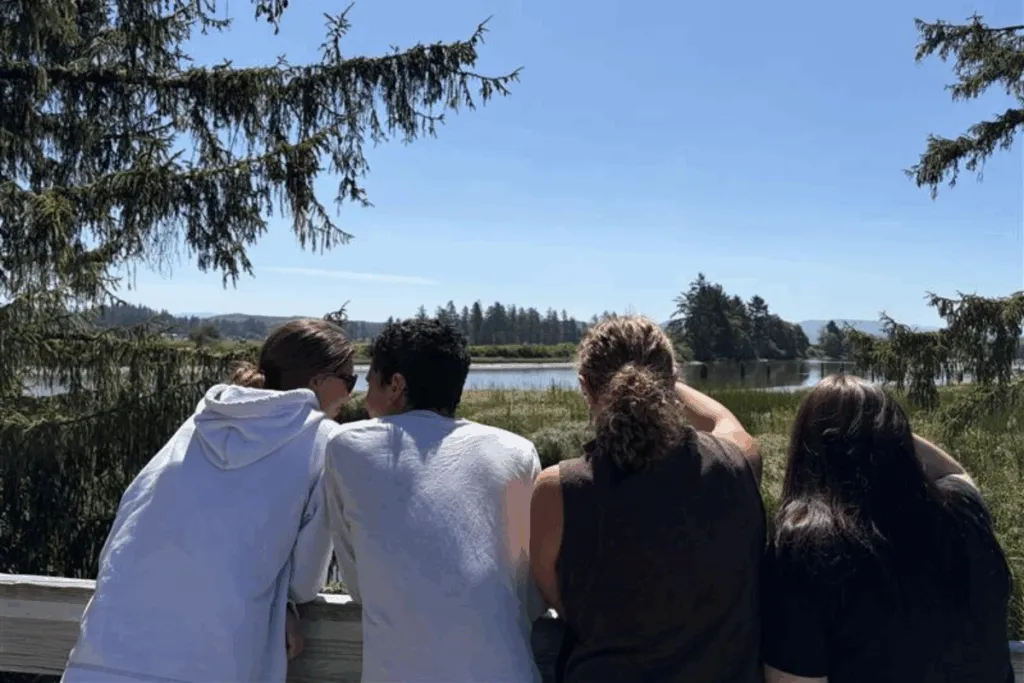
If volunteers from other AFS teams are listening and thinking about proposing a similar project, what key advice would you give them?
I would say…go for it! Talk with the volunteers in your team and brainstorm program ideas. They will have the support of the AFS USA Innovation Team, and the volunteers who helped with the first round of pilot programs.
This is a great opportunity for us (volunteers and staff) to explore different program options for AFS. And I know that AFS-USA has tried lots of new programs in the past with success and challenges. I believe that the foundational approach to new program development at this time allows for more experimentation and openness to failure and success. This program, its value and impact can be realized in a lot of different ways, and now is the time to explore those options. With every program, we will continue to learn and evolve.
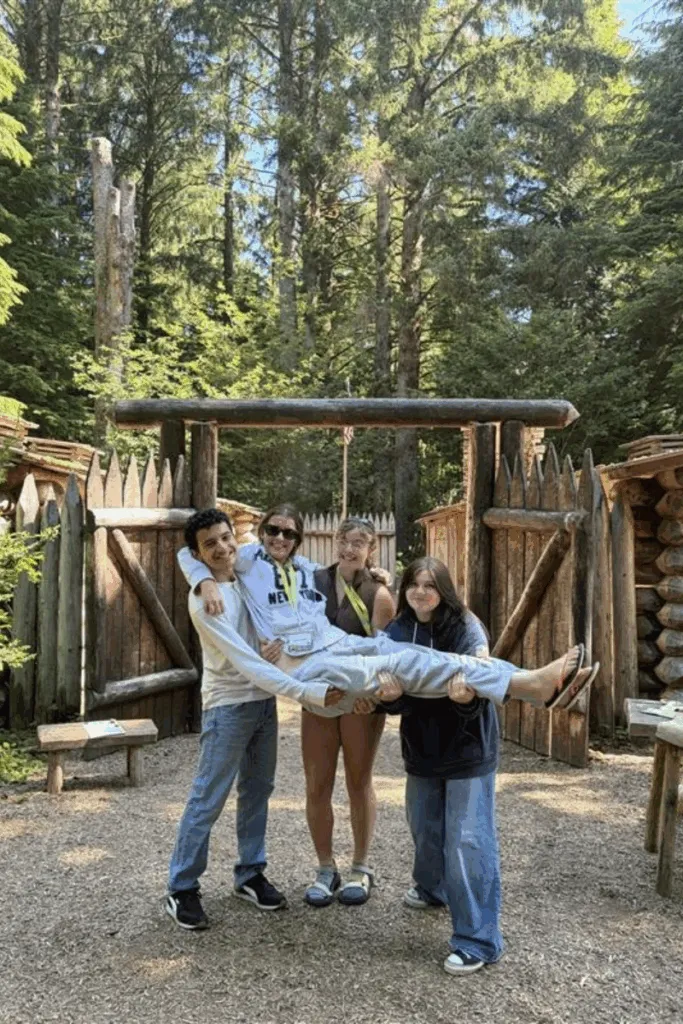
What do you think makes AFS’s U.S.-based programs particularly important right now, and why do you believe this work matters?
In many ways my experiences in the U.S had a greater influence on me than my experiences in countries in Europe. I was reminded of the diversity of the U.S, demographically, regionally, culturally. I learned so much about the U.S through my travels and in the process learned a lot about myself. And I learned, as I believe these domestic programs reveal, how much we can learn from each other within the U.S.
I also remember a conversation I had with a long time AFS volunteer, Floyd Van Weelden…in my early years as an AFS-USA staff member. We were talking about volunteer development and the AFS program, and he told me how much can be gained just by sharing a cup of coffee at the kitchen table in an AFS volunteer’s home. The ability to create connection and understanding just requires a short amount of time through active listening and empathy.
These opportunities to dialogue over a kitchen table, at a museum, or in a van with other U.S students and volunteers, create opportunities for connection and understanding…something that I believe is greatly needed right now in the U.S.
Interested in learning more about AFS-USA Domestic Programs? Visit our domestic programs page to discover the impact of domestic programming on U.S. students and communities – and stay tuned for updates on next year’s offerings!